The rest of the week.
Where most of the week actually goes
The school photographs go here. This section stays empty rather than being filled with something borrowed — the same rule as the rest of the site.
What I do away from the desk.
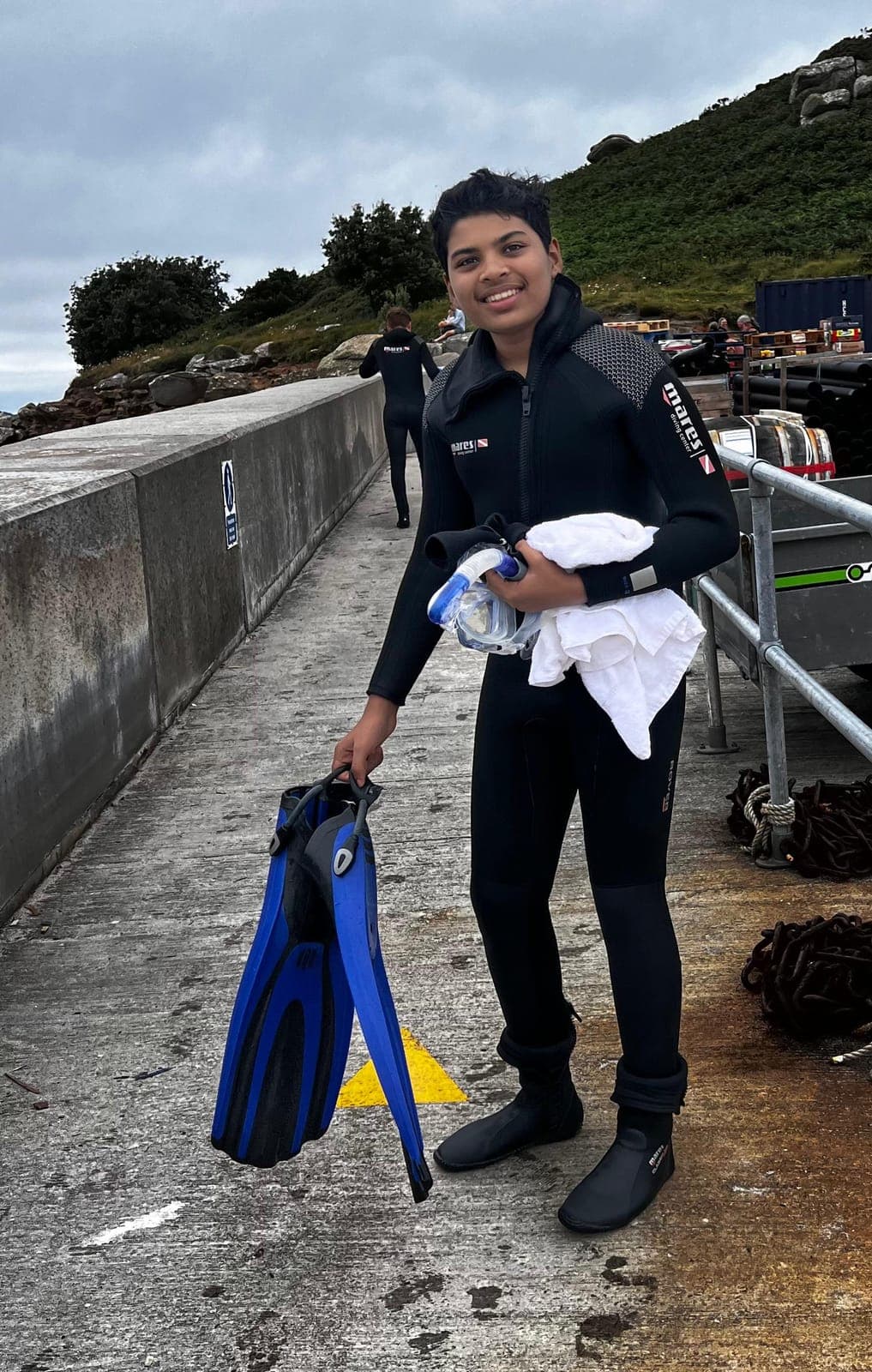
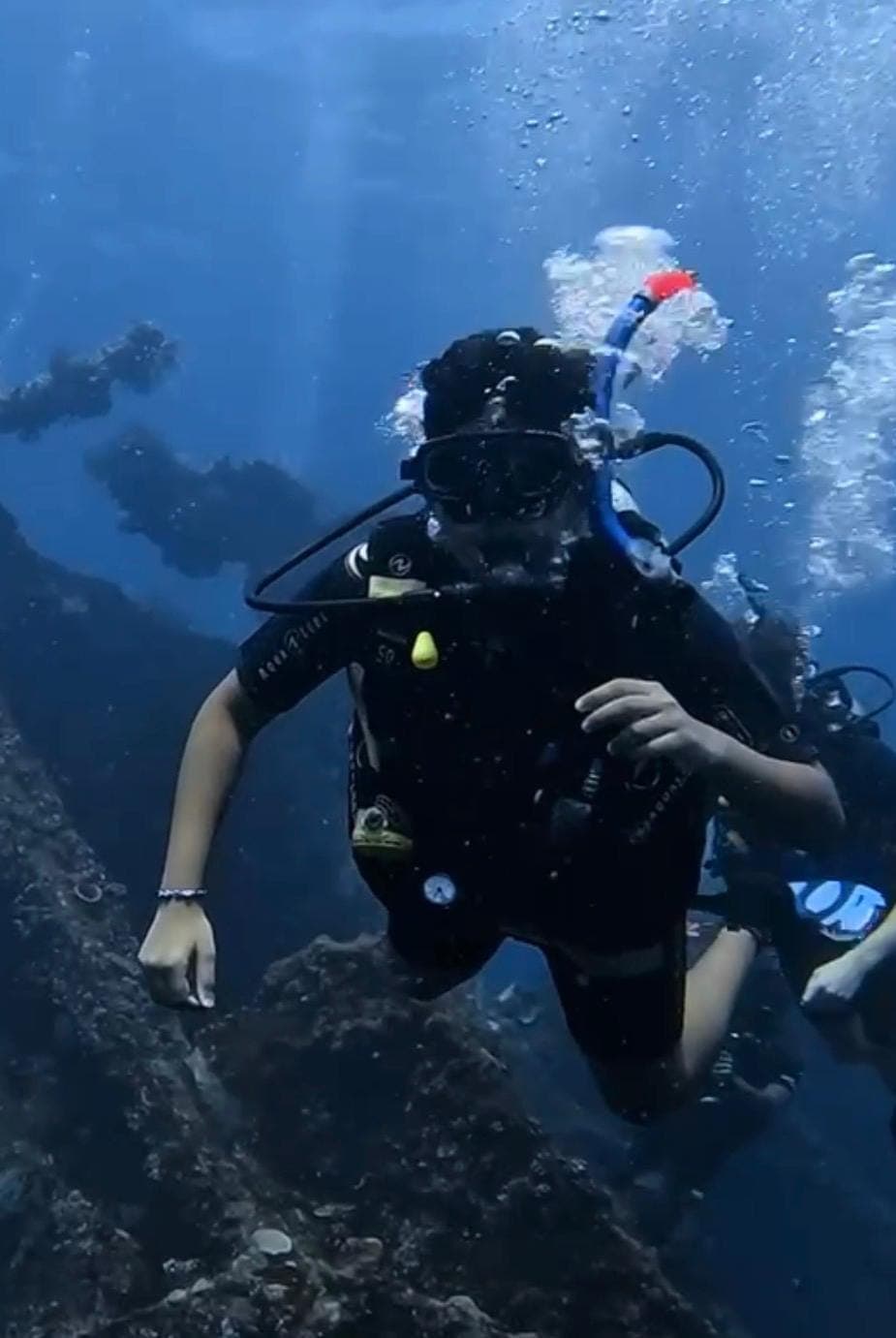
Scuba Diving
Certified Scuba Diver and Junior Rescue Diver.
- Scuba Diver
- Junior Rescue Diver
Diving is the only thing I do where a checklist is not bureaucracy. You plan the dive, you dive the plan, and you check your air on a schedule rather than when you feel like it.
The Rescue course was the part that stayed with me. It is almost entirely about noticing a small problem early — a diver breathing too fast, a strap not quite right — because underwater, small problems do not stay small.
It is also the closest thing I have to a working model of risk. Nothing about a dive is dangerous on its own; the danger is in the combination, and in the assumption you did not check.
- Certifications
- Scuba Diver · Junior Rescue Diver
- Environment
- Open water, wrecks
- Carried over
- Plan first, then act. Check the assumption.
Swimming
The training that made the diving possible.
Swimming came first, and it is the reason the diving was ever an option. Comfort in water is not something you can shortcut with equipment.
It is also the most honest form of practice I know: the clock does not care how the session felt.
Geopolitics & History
Reading about why things ended up this way.
Markets, borders and institutions are all downstream of decisions people made under uncertainty, usually with worse information than we have now.
Reading history is the cheapest way I know to see a large number of those decisions and how they actually turned out.
The Rescue course is about noticing a small problem early, because underwater a small problem does not stay small. That is a better description of financial risk than most of the definitions I had read.
None of this is on the site to look well-rounded. Each one actually changed something.